
How to Vet a Licensed Patio Cover Contractor in Arizona
How to Vet a Licensed Patio Cover Contractor in Arizona
Quick Answer: To vet a licensed patio cover contractor in Arizona, look up their ROC license at roc.az.gov, confirm it is active with no open complaints, and ask for proof of liability and workers' comp insurance. Then compare itemized bids side by side, get material and labor warranties in writing, and walk away from cash-only or pressure deals.
A patio cover is attached to your roof, anchored into your soil, and expected to hold up through 115-degree summers and monsoon microbursts. The company that builds it matters as much as the design. Here's how homeowners in San Tan Valley, Queen Creek, and the rest of the East Valley can separate a trustworthy patio cover contractor from one that will leave them with problems down the road.
What Makes a Patio Cover Contractor "Licensed" in Arizona?
In Arizona, contractors are licensed through the Registrar of Contractors, known as the ROC. A licensed contractor has passed trade and business exams, posted a bond, and agreed to follow state workmanship standards. The license also lists a classification, which tells you what kind of work the company is allowed to perform.
There's one exception that confuses a lot of homeowners: the handyman exemption. It only applies to small jobs under $1,000, including labor and materials, that don't require a permit. A patio cover almost never qualifies. Most covers need a permit, and nearly all of them cost well over that limit.
That means any company quoting your project should have an active ROC number. If they can't give you one, that tells you everything you need to know. Licensing is only one piece of the decision, though. Roof style, size, and attached versus freestanding design matter too, and our guide on how to choose the right patio cover walks through those choices step by step.
How Do You Check a Contractor's ROC License and Insurance?
Checking a license takes about two minutes. Go to roc.az.gov, open the contractor search, and enter the company name or license number. Then look at four things:
Status: it should say active, not suspended, revoked, or expired.
Classification: the license type should cover residential construction or the specific work being quoted.
Complaints: a long-running company may have a few, but look at how they were resolved.
Business name: the name on the license should match the name on your estimate and contract.
Next, ask for a certificate of insurance. You want general liability coverage in case your home is damaged, and workers' compensation in case someone gets hurt on your property. A reputable patio cover contractor in Arizona will send both without hesitation.
Hiring licensed also protects your wallet. Homeowners who work with residential licensees may be eligible for the state's Residential Contractors' Recovery Fund if a job goes badly wrong. Hire an unlicensed crew and that safety net disappears. Some homeowners consider building a cover themselves to avoid the whole process, and our article on installing a patio cover yourself explains why that route often costs more than it saves.
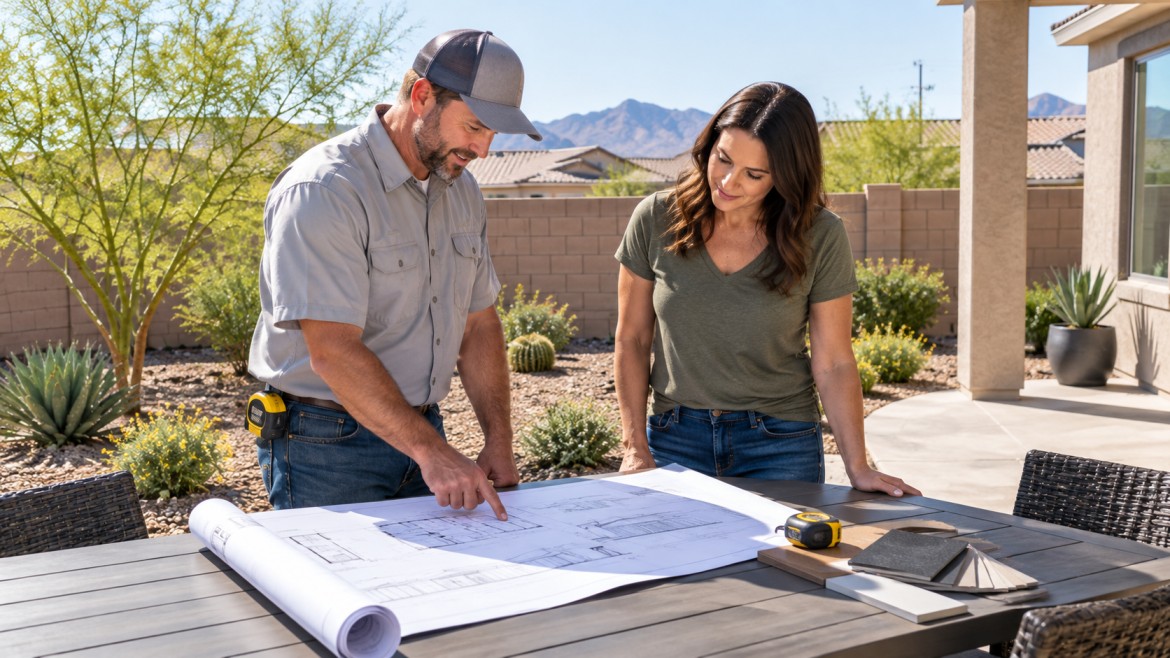
Which Red Flags Should Make You Walk Away?
Most bad contractor experiences start with a warning sign that was easy to miss in the moment. Watch for these:
Cash only, or a large deposit upfront: reputable companies take standard payment methods and tie payments to project milestones.
"Sign today" pricing: a real discount will still be there tomorrow.
No written contract: scope, price, timeline, and warranty terms should all be on paper.
"You don't need a permit": attached covers almost always need one, and skipping it can cause trouble when you sell.
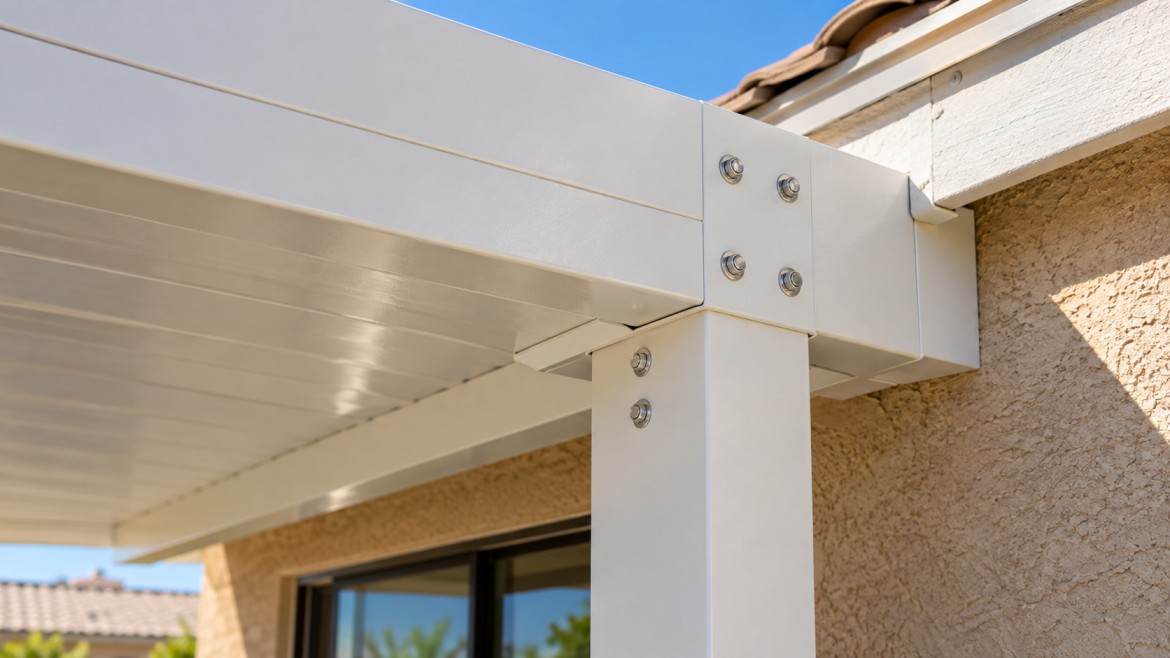
A bid far below everyone else's: the savings usually come from thinner aluminum, shallow footings, or fasteners driven into stucco instead of framing.
No local projects to show: a contractor working in Gilbert or Queen Creek should be able to point to jobs nearby.
Trust your gut, too. If a salesperson dodges simple questions during the estimate, communication rarely improves once the deposit clears. We break down what happens when those shortcuts show up in the finished build in common patio cover installation mistakes.
How Should You Compare Patio Cover Estimates Side by Side?
Three quotes can look completely different even when they describe the same backyard. The easiest fix is to line them up in a simple table and compare the same items across every patio cover estimate:
Size and roof type, such as solid, lattice, louvered, or insulated patio covers
Material specs, including beam size, post size, and aluminum gauge
Footing depth and how the cover attaches to your house
Electrical work for fans, lights, or heaters
Permit fees and HOA submittal
The patio cover warranty for materials and labor
Once the bids are itemized, the differences become obvious. One quote may leave out permits. Another may use lighter framing to hit a lower number. A slightly higher bid that includes lifetime coverage and handles the paperwork is often the better value over the 20 or more years you'll own the cover. Aluminum patio covers built to spec rarely need more than a rinse and an occasional hardware check, so what you pay upfront is most of what you'll spend.
If you want a sense of how size, materials, and add-ons shape the final number, our patio cover cost guide explains the biggest pricing factors.
When Is the Best Time to Hire a Patio Cover Contractor in Arizona?
Fall and winter are the sweet spot. Permit review and HOA approval can take several weeks, and crews are easier to book once the summer rush ends. If you start in October or November, your patio cover installation can be finished long before the first 100-degree day of spring.
A winter build also means you get to enjoy the season Arizona is known for: February dinners outside, weekend football under a ceiling fan, and cool mornings with coffee on the patio. Wait until May, and you'll likely face longer lead times while the backyard bakes.
Best Choice Exteriors is a veteran-owned company licensed under ROC#347963, serving homeowners within about 30 miles of San Tan Valley, including Queen Creek, Gilbert, Mesa, Chandler, Florence, and Maricopa. If you're searching for a patio cover company near me, you can learn more about our patio covers, pergolas, and sunrooms on the Best Choice Exteriors homepage, or schedule a free consultation and estimate and we'll measure, design, and quote your project at no cost.
Frequently Asked Questions
How do I look up a contractor's license in Arizona?
Visit roc.az.gov and use the contractor search tool. You can search by business name, license number, or qualifying party. The results show license status, classification, bond information, and complaint history. Every licensed patio cover contractor should print their ROC number on the estimate and contract, so compare that number to the state listing before you sign anything.
What happens if I hire an unlicensed patio cover contractor?
You lose several protections. Unlicensed crews usually skip the patio cover permit, which can lead to failed inspections, fines, or problems when you sell. You also can't file a complaint with the ROC or use the state's Recovery Fund. Our guide to patio cover permits in Arizona explains when a permit is required.
Why do patio cover estimates vary so much?
Estimates vary because contractors include different things. One may price thicker aluminum, deeper footings, electrical, and permits, while another leaves those out to look cheaper. Roof style matters too, since insulated and louvered systems cost more than standard covers. Ask every patio cover contractor for an itemized quote so you can compare the same scope line by line.
What warranty should a patio cover contractor offer?
Look for written coverage on both materials and labor. A materials warranty protects against defects like a peeling finish, while a labor warranty covers installation problems such as leaks where the cover meets the roof. Best Choice Exteriors offers a lifetime material and labor patio cover warranty plus a three-year service plan. See how long aluminum patio covers last.
Where can I find a licensed patio cover contractor near me?
Start with companies that are based in or regularly work in your area, since they know local permit offices, HOA rules, and soil conditions. Homeowners in San Tan Valley, Queen Creek, Gilbert, Mesa, and Chandler can work with Best Choice Exteriors, a patio cover contractor in Arizona serving communities within about 30 miles of San Tan Valley.
